Knowledge / AI / Education
More information.
Less understanding?
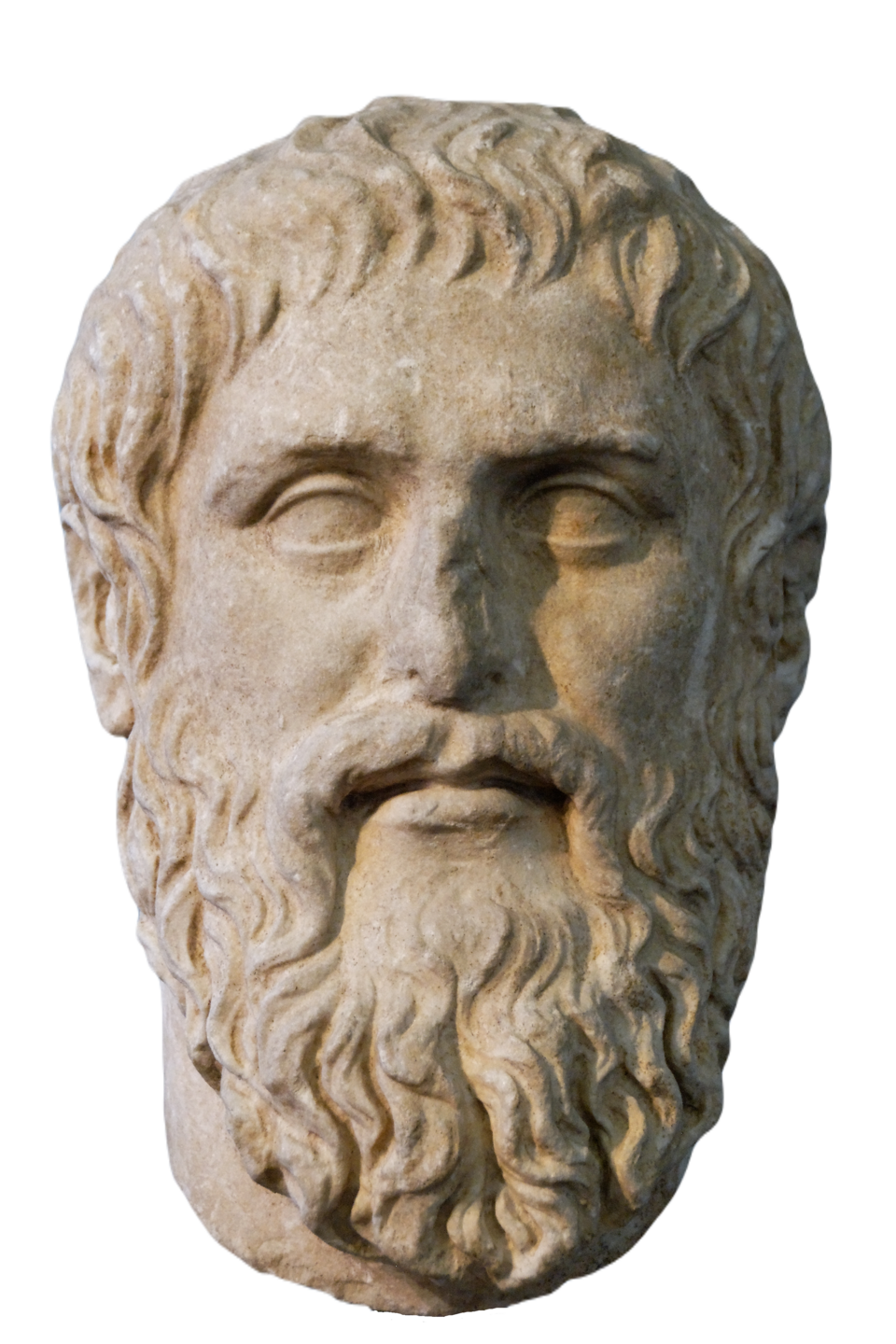 THEN 4th century BCE
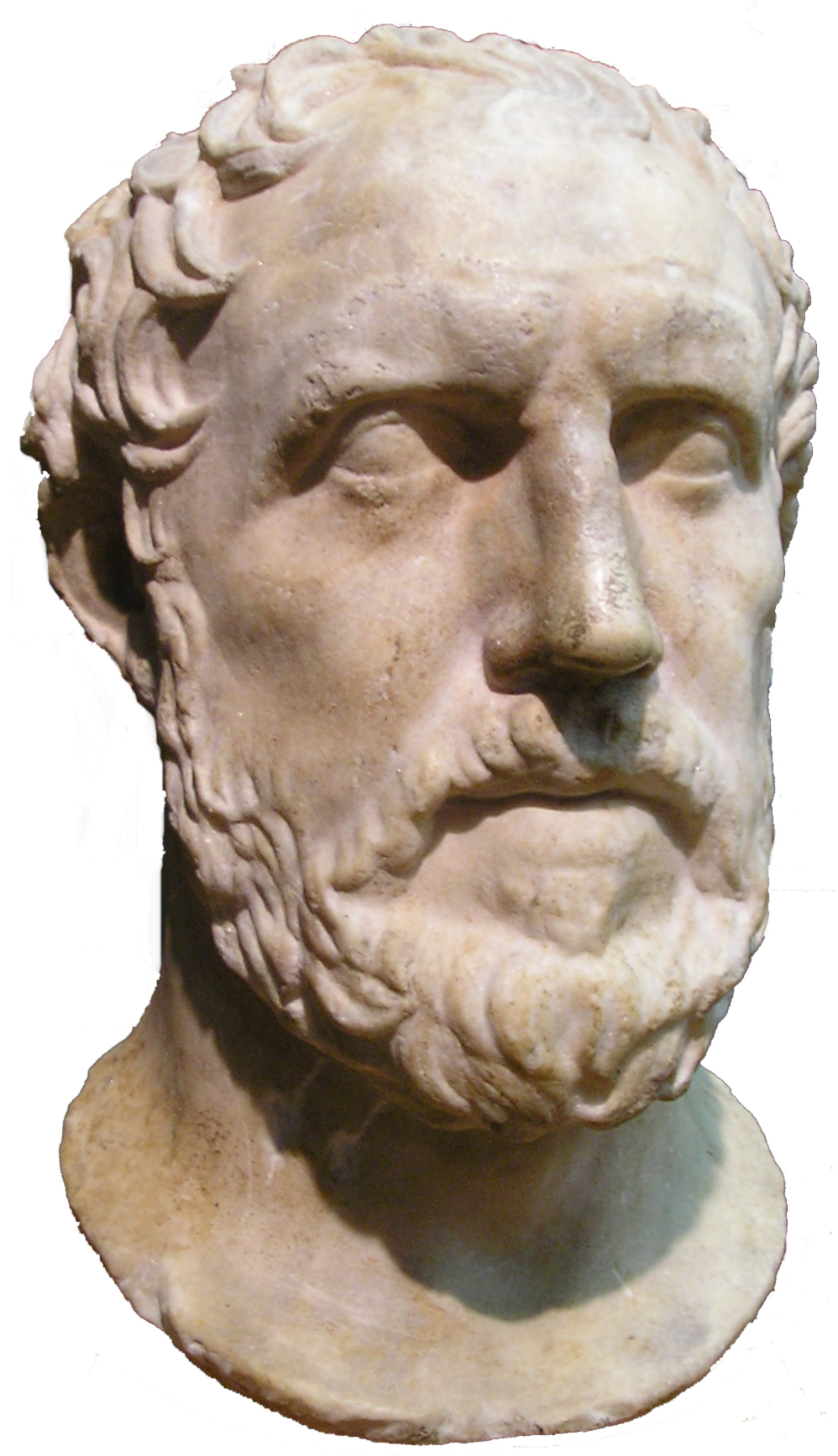
Plato
Ancient sculpted likenessEDITORIAL PARAPHRASE
An answer is not understanding.
We can repeat information without understanding it. Learning requires examination, not access alone.
Explore the story ↓ NOW 2018
Maryanne Wolf
EDITORIAL PARAPHRASE
Deep attention needs practice.
Digital reading changes our habits. Critical thought, empathy and reflection need deliberate cultivation.
Explore the story ↓Make understanding visible, not just the answer.
THE STORY BEHIND THE CONNECTION
The oldest question in the newest classroom
A fluent answer can feel like knowledge. But what happens when we can repeat it without explaining it? Across two very different media revolutions, Plato and Maryanne Wolf ask us to look beyond what information delivers—and examine what learning demands.
01 / THEN — THE CONTEXT
What was being argued?
In Plato’s Phaedrus, Socrates tells the story of the inventor Theuth presenting writing as a benefit to memory and wisdom. King Thamus challenges him: external records may help people recall words without developing understanding. This is an argument within a philosophical dialogue, not a historical speech by Plato. The deeper test is whether an idea can be questioned, explained and defended.
02 / NOW — THE CONTEXT
How the question returns
Writing in 2018, Wolf examines a different transition: reading in a world of screens. Her concern is how changing habits affect reflection, empathy and critical thought. She proposes cultivating both digital and deep-reading abilities. The question is not whether to abandon technology, but how to preserve the mental effort that makes reading valuable.
03 / OUR READING
What connects them—and what does not
Our reading: the circle closes around a temptation, not a prediction. Every improvement in access can invite us to confuse receiving information with making sense of it. Plato did not anticipate AI, and Wolf’s book is not an assessment of today’s chatbots. Yet their concerns give us a useful way to examine them: an answer can begin learning, but it cannot prove that learning has happened.
04 / BRING IT INTO TODAY
A practical test
Imagine a student submitting an excellent AI-assisted argument. Instead of assessing the polish alone, ask them to explain its assumptions, defend one source and respond to a counterexample. The tool remains useful; understanding becomes visible.
WHERE THIS LEAVES US
Progress gives us more ways to find an answer. Education must still give us the ability to judge one.
When answers become abundant, what should count as an education?
Context summarised from the dated sources below. Connections, examples and conclusions are ThoughtLeaders.gr editorial analysis. These are independent published positions, not a joint conversation or evidence of endorsement. “Now” identifies the later perspective; its date remains visible.
Sources, dates & portrait credits +
Plato, Phaedrus · A philosophical dialogue about speech, writing and understanding. Ancient composition dates are approximate.
Phaedrus, 274–275 · Benjamin Jowett translation ↗Reader, Come Home · Published 2018 · Author’s account of the book.
Reader, Come Home · Maryanne Wolf ↗Portrait credits: Ancient sculpted portrait of Plato — Marie-Lan Nguyen / Wikimedia Commons · CC BY 2.5; ancient sculpted likeness · Maryanne Wolf — UCLA School of Education & Information Studies · photographer not stated ·